The Only Skincare Routine You Need in Your Early 20s
Your early 20s are a weird skin era. You’re not a teenager anymore, so the aggressive acne washes probably aren’t cutting it. But you’re also not 35, so you don’t need a 12-step anti-aging routine either.
Most skincare content online is either too basic or trying to sell you something. So here’s what actually matters — and what you can skip.
Your Skin Right Now (What’s Actually Happening)
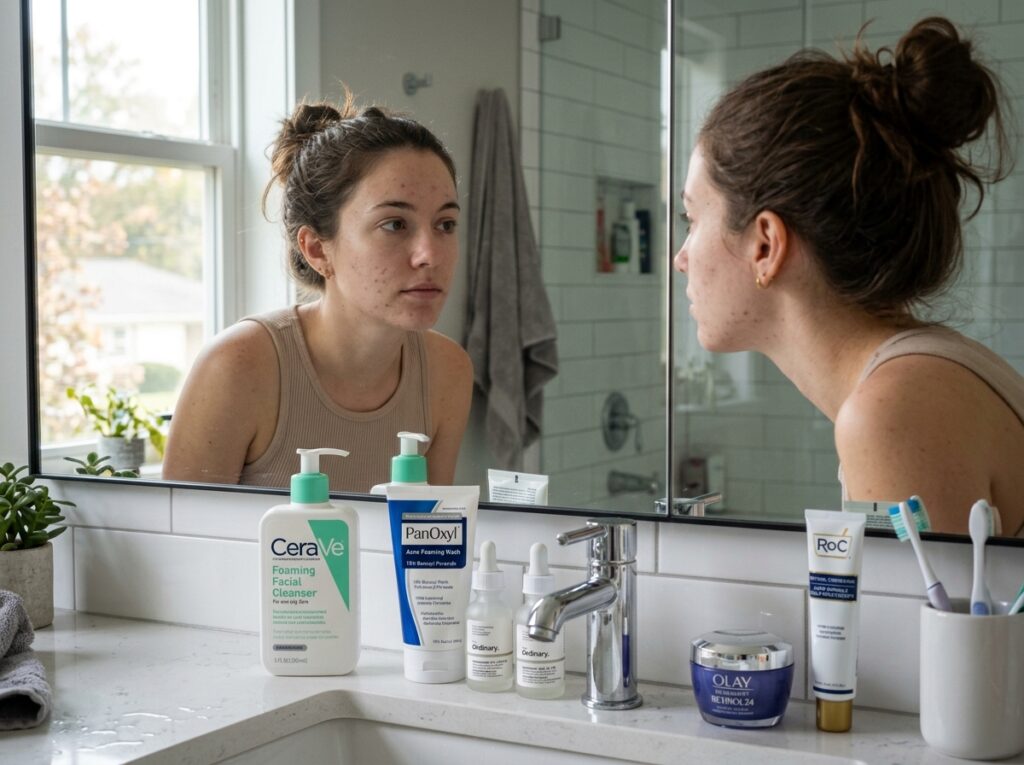
In your early 20s, your skin is still producing a decent amount of collagen. Breakouts are still common, especially hormonal ones around your chin and jawline. Your skin barrier might be a little confused if you spent your teens throwing every harsh product at it.
The goal isn’t perfection. It’s consistency and not overdoing it.
The Actual Routine
Morning
Step 1: Cleanser
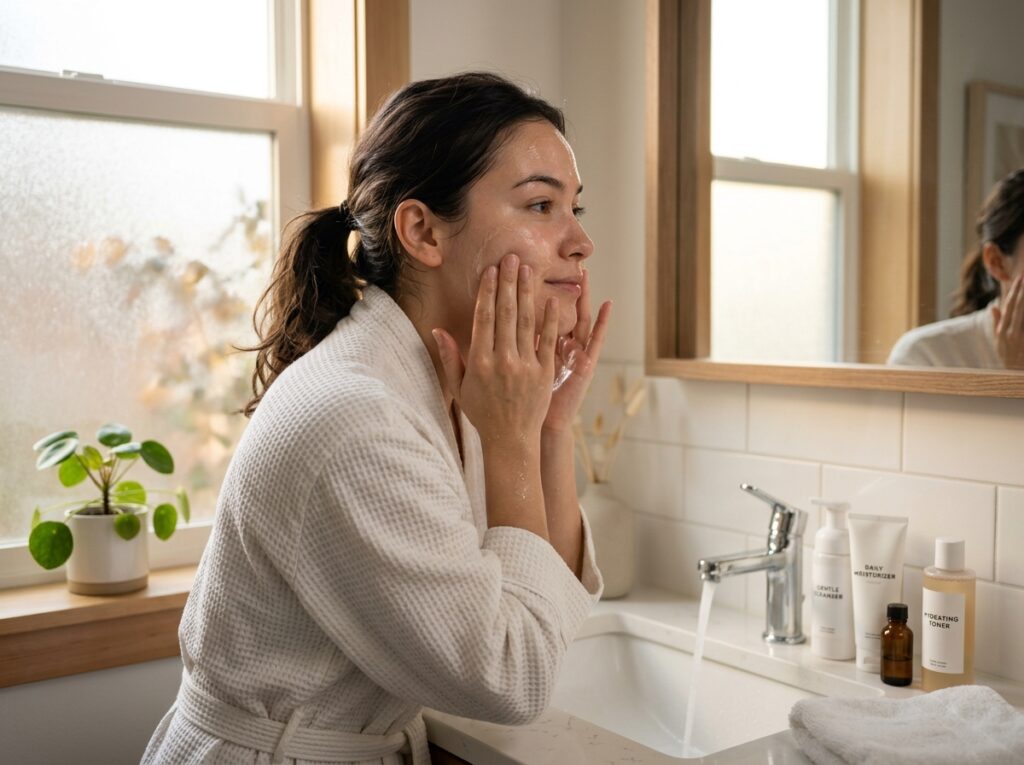
If your skin feels dry or tight after washing, your cleanser is too harsh. Switch to something gentle — a low-pH gel or a milky cleanser works for most people. You don’t need foam. You don’t need to “feel the clean.”
Good options: CeraVe Hydrating Cleanser, La Roche-Posay Toleriane Hydrating Gentle Cleanser, Cetaphil Gentle Skin Cleanser.
Step 2: Moisturizer
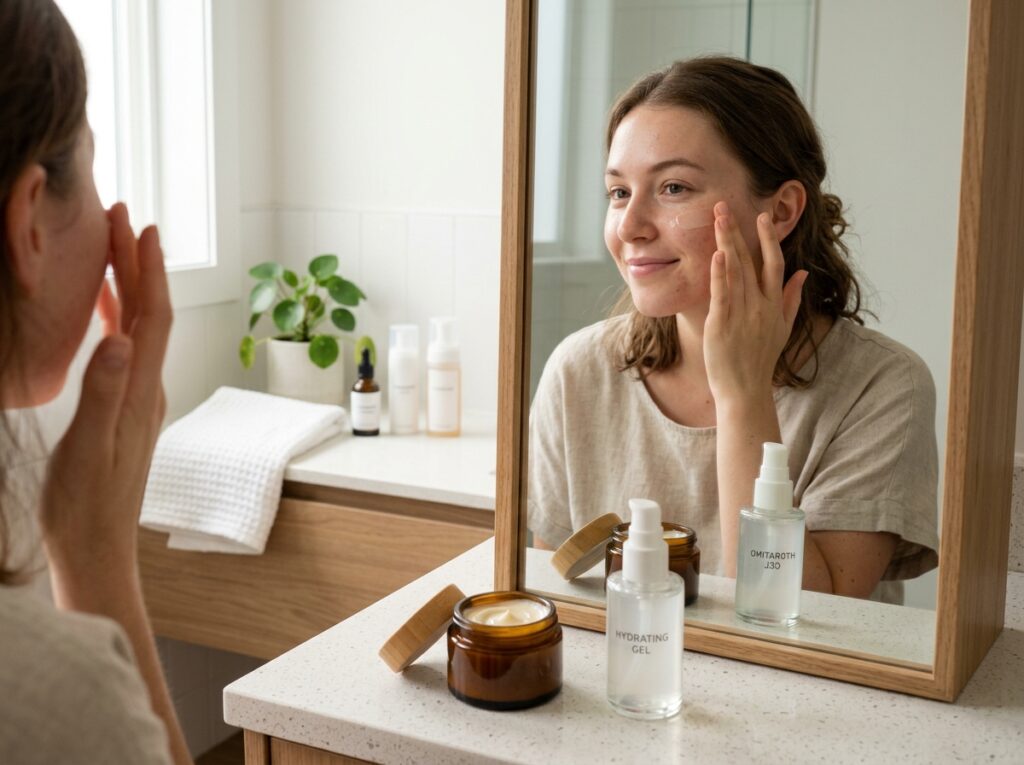
Even if you have oily skin, you need this. Skipping moisturizer doesn’t reduce oil — it usually makes things worse because your skin overproduces sebum to compensate.
For oily or combo skin: a lightweight gel moisturizer. For dry skin: something creamier with ceramides or hyaluronic acid.
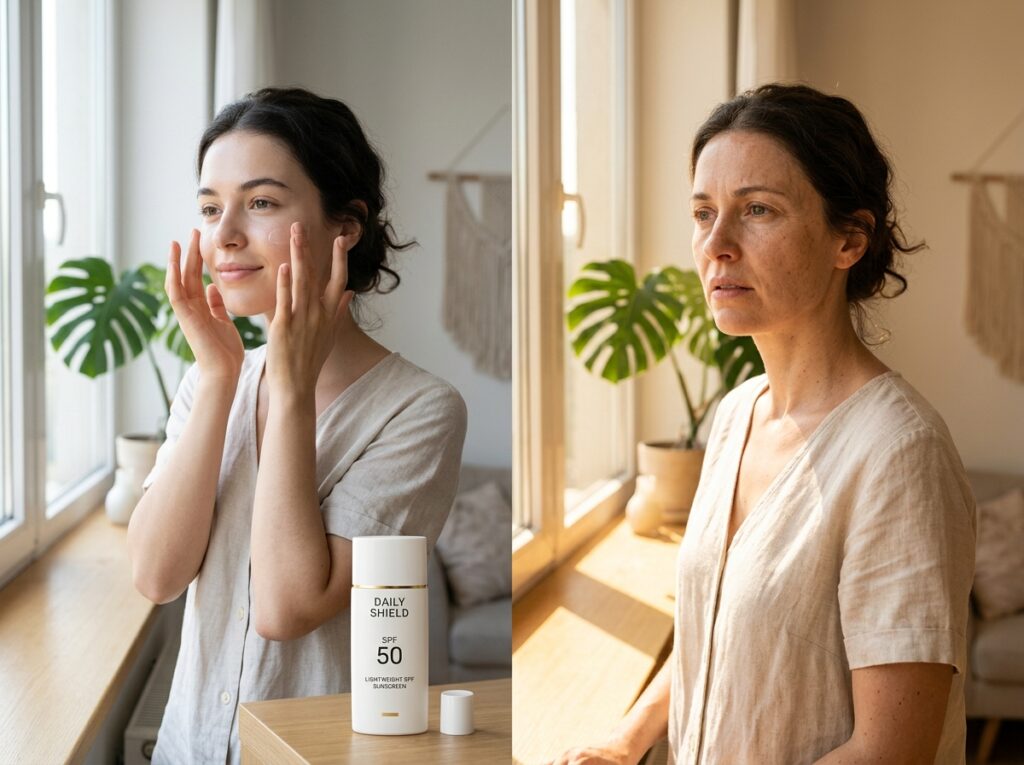
Step 3: SPF
This is the one product in your 20s that will actually make a difference in your 40s. UV damage is cumulative. You won’t see the results of skipping SPF now, but you will later.
Minimum SPF 30, every single morning, even when it’s cloudy. If you hate how sunscreen feels, try a Korean or Japanese formula — they tend to be lighter and don’t leave a white cast.
Good options: Beauty of Joseon Relief Sun, ISDIN Eryfotona Ageless, Altruist SPF 50 (if you’re on a budget).
Night
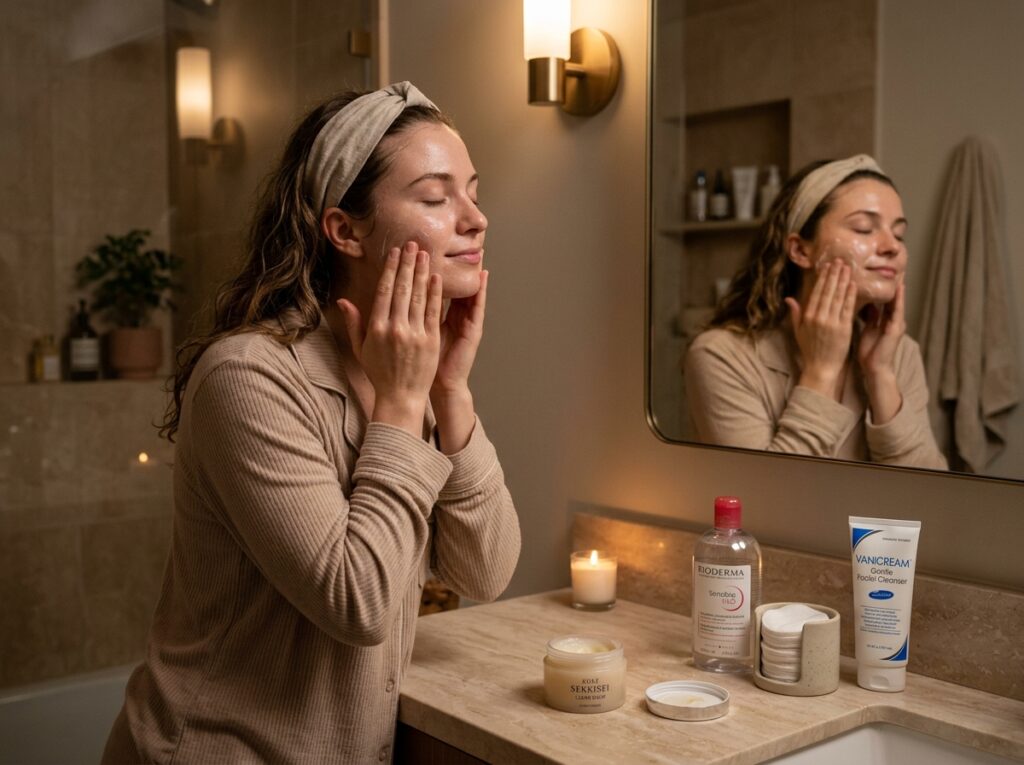
Step 1: Double Cleanse (if you wore SPF or makeup)
Sunscreen doesn’t fully come off with a water-based cleanser. Use a cleansing balm or micellar water first, then follow with your regular cleanser. If you didn’t wear anything on your face that day, one cleanse is fine.
Step 2: Treatment (optional, but worth adding)
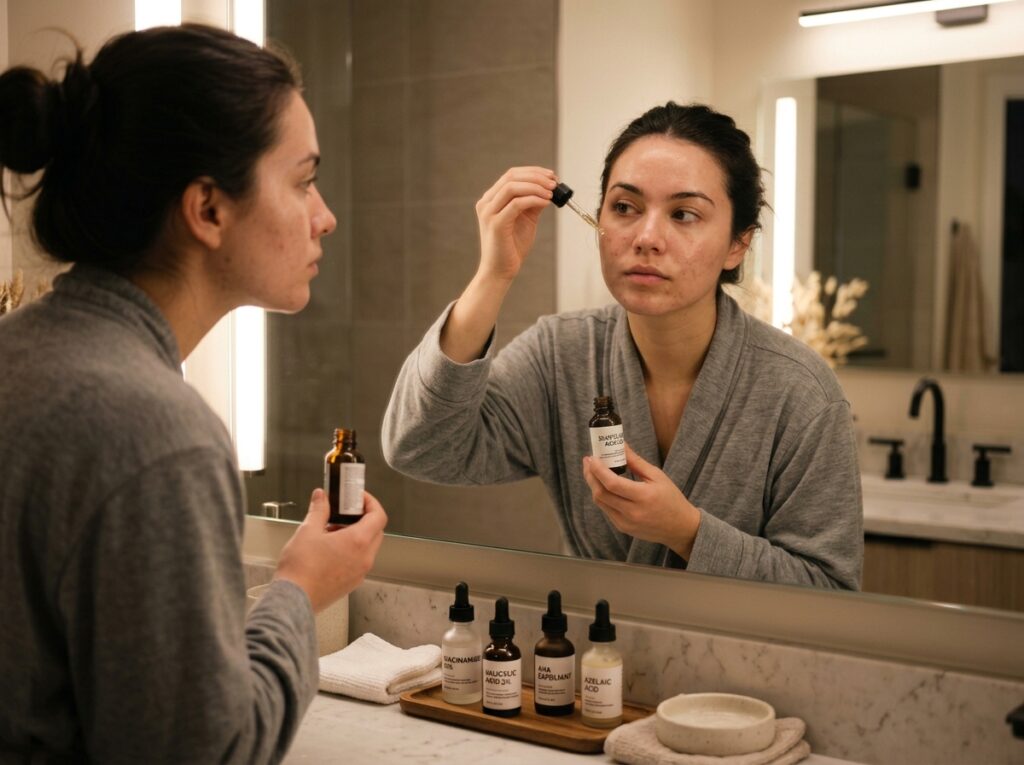
This is where you can address specific concerns:
- Acne: Niacinamide (5–10%) or benzoyl peroxide for active breakouts. Salicylic acid works well for blackheads and congestion.
- Dullness or texture: A low-strength AHA (like 5–8% glycolic or lactic acid) 2–3 times a week.
- Hyperpigmentation from old spots: Niacinamide, tranexamic acid, or azelaic acid are all solid.
Don’t use all of these at once. Pick one concern and start with one product.
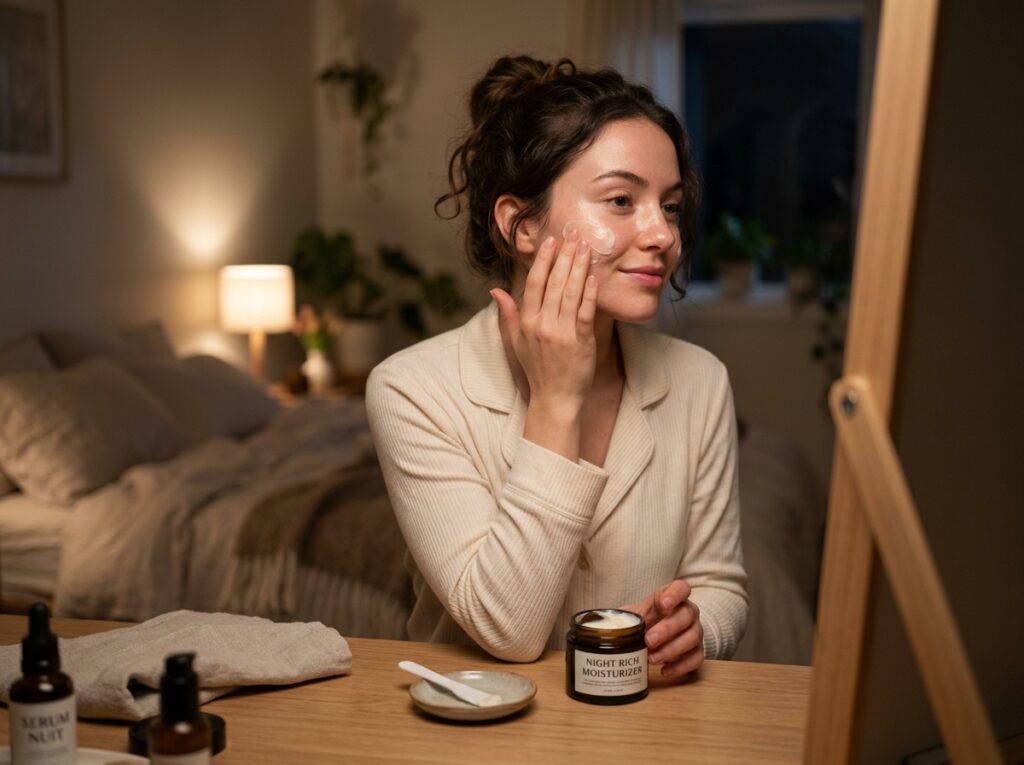
Step 3: Moisturizer
Same as morning, or slightly richer if your skin tends to get dry overnight.
The One Thing Most People Skip: Retinol
Retinol in your early 20s is not for anti-aging — it’s for skin cell turnover, texture, and keeping your pores clear. Starting low (0.025–0.05%) once or twice a week is plenty. It will likely cause some dryness and purging at first. That’s normal.
Apply it after moisturizer to reduce irritation. Never use it the same night as your AHA/BHA.
What You Probably Don’t Need Yet
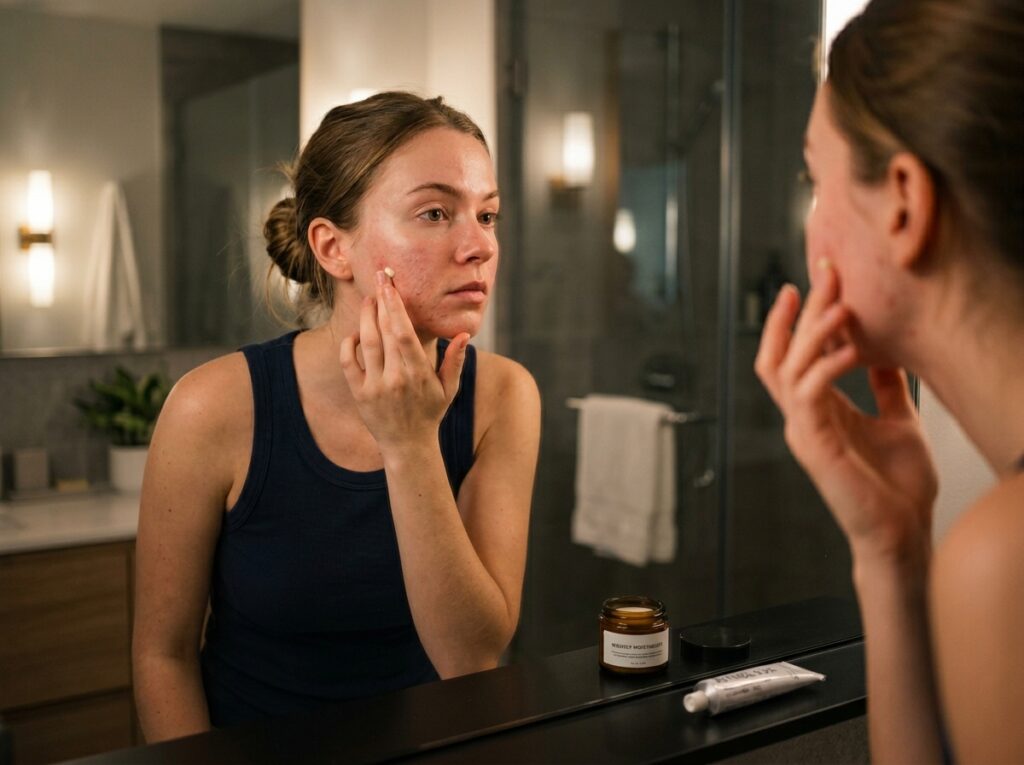
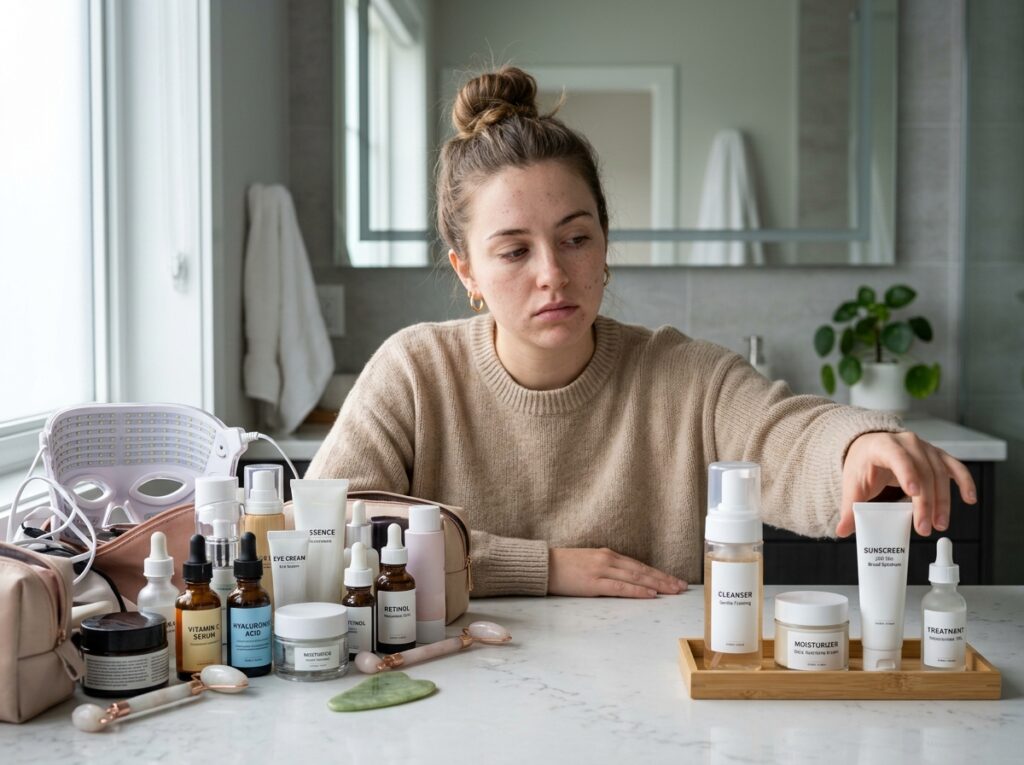
- Vitamin C serums (fine to use, but not essential — your SPF does more)
- Eye creams (your regular moisturizer works just as well)
- Expensive tools like LED masks or microcurrent devices
- More than 5–6 products total
Skincare works better when it’s simple. A lot of people in their 20s are dealing with irritation, not bad skin — they’ve just overloaded their routine.
Realistic Budget Breakdown
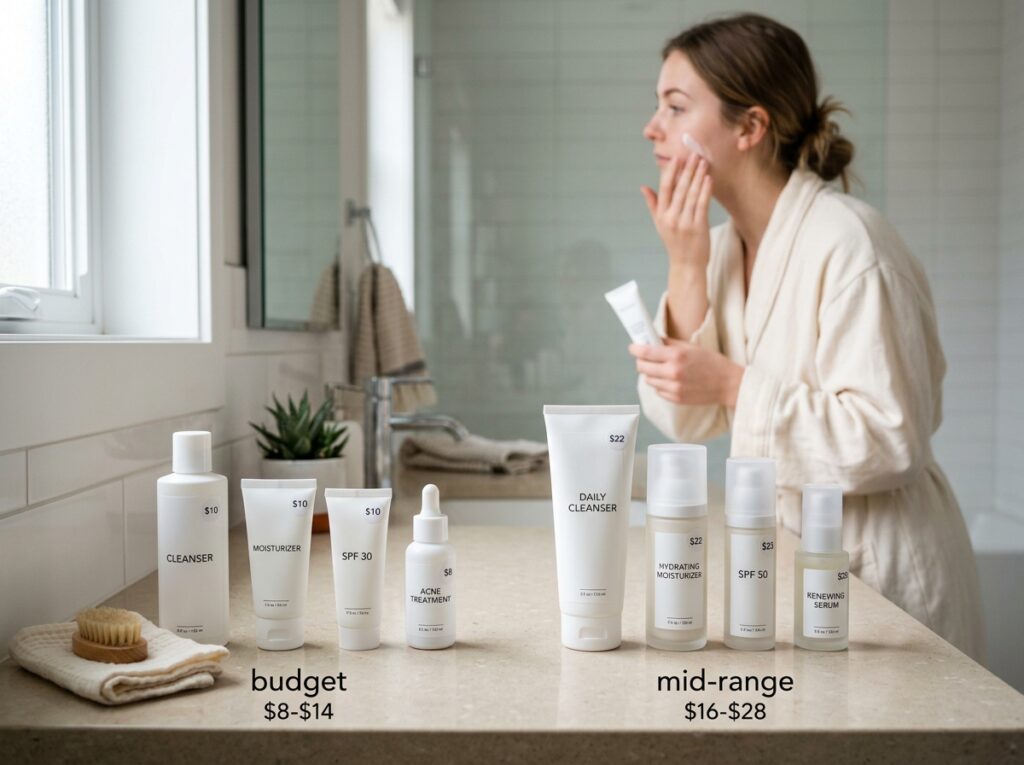
You don’t need to spend a lot. Here’s what a full routine can cost:
| Product | Budget Pick | Mid-Range Pick |
|---|---|---|
| Cleanser | Cetaphil (~$10) | La Roche-Posay Toleriane (~$18) |
| Moisturizer | CeraVe PM (~$16) | Neutrogena Hydro Boost (~$22) |
| SPF | Altruist SPF 50 (~$8) | Beauty of Joseon (~$14) |
| Treatment | The Ordinary Niacinamide (~$7) | Paula’s Choice BHA (~$34) |
A solid routine doesn’t have to cost more than $40–50. And honestly, that’s probably better than most $200 routines people are doing.
The Honest Part
Your skin is also affected by things that aren’t in a bottle. Sleep, stress, hydration, and diet genuinely show up on your face. That’s not a fun answer but it’s a true one.
Skincare is the baseline. If you’re consistently breaking out despite a good routine, it’s worth looking at hormones, stress, or talking to a dermatologist — not buying more products.
Start simple. Be consistent. And give anything you try at least 4–6 weeks before deciding it doesn’t work.